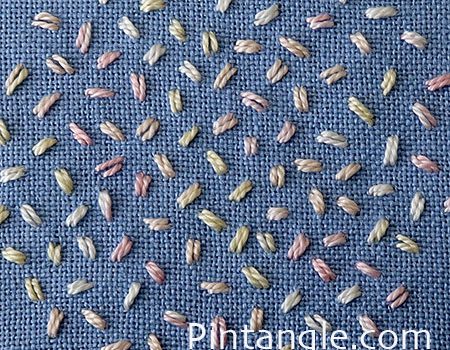
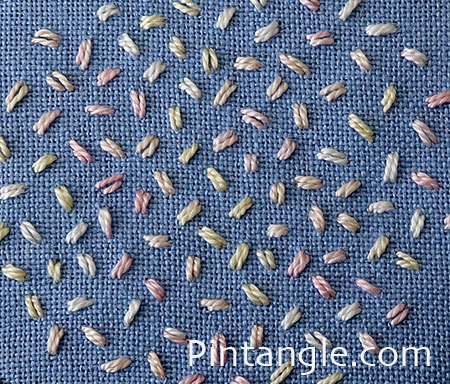
Double Seed stitch is also called Isolated back stitch. You can arrange it on the fabric and space it similarly to Seed stitch. It consists of two back stitches worked side-by-side close together with no space between the two stitches, or worked in the same hole.
You can work Double Seed stitch on plain or evenweave fabric. To vary the look of this stitch, use different coloured threads or threads of different thickness. You can use a metallic thread and sprinkle beads among the stitches. This can add more life and a contemporary twist to your work.
In contemporary embroidery, Double seed stitch is worked free-form manner, changing the length of the stitches and their spacing. You can have dense, heavily worked areas with stitches piled up against each other or sparse little light touches of stitches in areas where you want less. You can vary the weight of the thread with thick and thin threads over the same area. I sometimes bend the ‘rule’ of keeping the two stitches side by side. And you can have small gaps and shifts between the two stitches, or angle one stitch and not the other, creating a little V shape.
Follow Pintangle and have it delivered to your inbox
You can have Pintangle delivered to your inbox by using the subscribe feature in the sidebar. Enter your email address, and respond to the confirmation email to be all set! If you are on a mobile or tablet ,scroll to the bottom to find the subscribe feature.
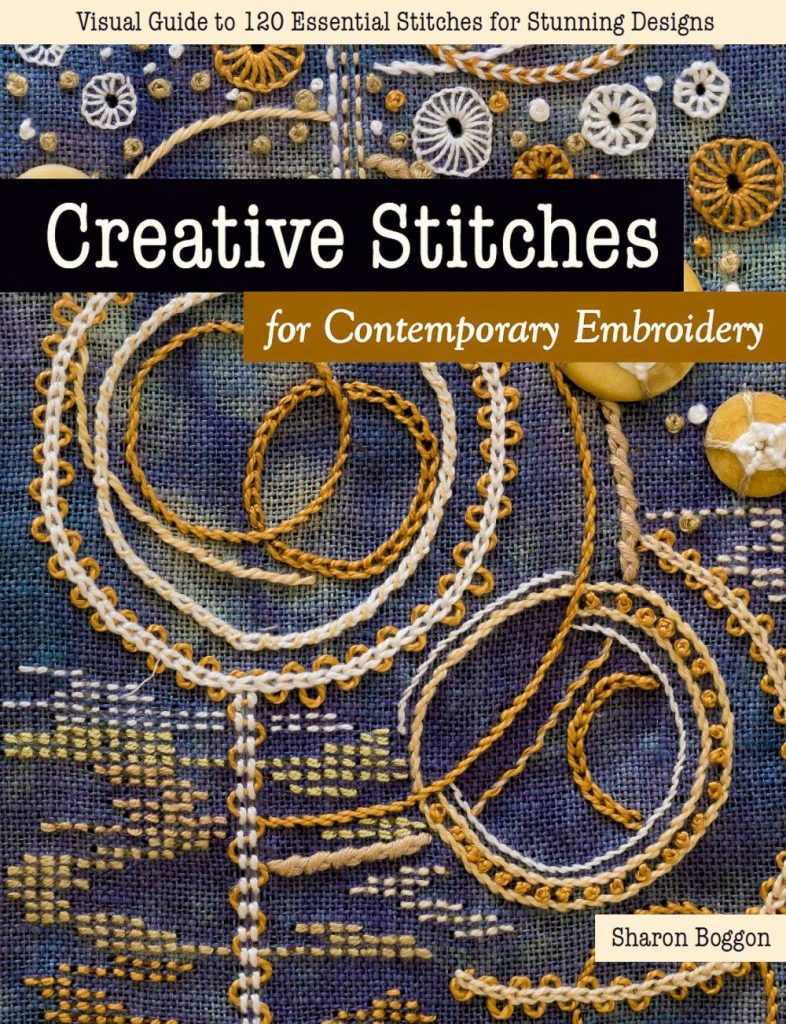
Whether you are a beginner or a seasoned embroiderer, my book gives you techniques to encourage and develop a fresh and creative embroidery style. Discover play points in your embroidery. Explore variations of height and width, stacking stitches, and repetitions of the same stitch to create areas of texture and shape. All these techniques and more will give you creative variations. I have included numerous demonstrations of small tweaks that create big effects. I aim to send you down your own creative path, with richly illustrated samples and plenty of eye candy.



Please sign me up, thankyou!